Player Education Is Now a Core Pillar of Safer iGaming
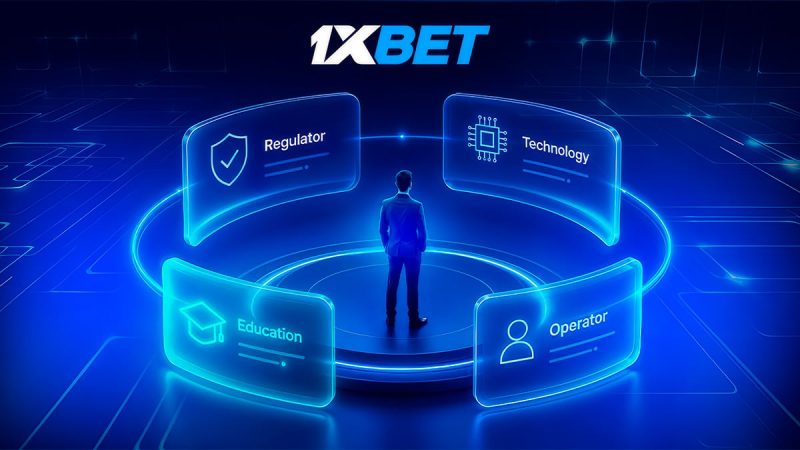
Player education — not just self-exclusion tools and deposit limits — is rapidly becoming the defining frontier of responsible gambling, and the iGaming industry is finally treating it that way. A new wave of operator-led initiatives, legislative moves, and third-party research is pushing knowledge-first safety frameworks to the center of the conversation.
This shift matters because the old compliance-box-ticking approach is showing its limits. Reactive tools help after harm begins. Education, the argument goes, prevents it from starting at all.
What the Industry Is Actually Doing
1xBet recently published analysis drawing on findings from the Player Protection Index Series report, exploring why player education has moved from a nice-to-have to a structural necessity inside modern iGaming ecosystems, as reported by Yogonet. The operator’s position is clear: two decades of industry growth have produced a complex, layered platform architecture that players often navigate without adequate context about the risks embedded in it.
The timing aligns with broader market action. Prediction market platform Kalshi has committed $2 million over two years to the National Council on Problem Gambling, specifically targeting trader health awareness and responsible-use education. Kalshi frames its product as distinct from gambling — but the funding decision signals that even platforms resisting that label understand the reputational and ethical weight of ignoring player welfare.
On the regulatory side, Colorado’s SB 26-131 has cleared the state House, advancing a comprehensive responsible gaming framework that leans heavily on education mandates alongside traditional enforcement mechanisms. If signed into law, it would represent one of the more substantive state-level responsible gaming statutes in the US market.
Taken together, these three data points — operator research, platform funding, and state legislation — sketch a consistent direction of travel.
The Bigger Picture
The iGaming sector has spent roughly 20 years scaling infrastructure. Payment rails, game libraries, live dealer studios, mobile optimization — the technical side of the industry is mature. What lagged was the human side: helping players understand volatility, probability, and their own behavioral patterns before those patterns became problems.
The Player Protection Index research reflects a growing consensus that harm-reduction frameworks borrowed from land-based gambling don’t map cleanly onto digital environments. Online sessions have no natural endpoint. Crypto deposits remove friction. Crash games and high-volatility formats compress risk into seconds. The speed and accessibility of modern iGaming demand a more proactive educational posture from operators.
High-profile cases keep reinforcing the urgency. Texas Tech quarterback Brendan Sorsby took an indefinite leave from his team in April 2026 to seek treatment for gambling addiction, later filing an injunction against the NCAA over eligibility. His case is a reminder that problem gambling doesn’t sort by demographic — and that awareness gaps exist even among people who should, theoretically, know better.
Kalshi’s $2 million commitment is notable not just for its size but for its framing. By tying the funding to “trader health” language, the platform is attempting to carve out a responsible-use identity separate from gambling regulation — a distinction that will likely face scrutiny but that also demonstrates how seriously non-traditional gaming platforms are taking the education angle.
What This Means for Crash Players
Crash gambling sits at an interesting intersection here. The format is fast, visually engaging, and built around a single escalating multiplier — which makes it genuinely exciting and genuinely risky in equal measure. Players who understand the mechanics, the house edge, and the psychological pull of “just one more round” are meaningfully better equipped than those who don’t.
Operators hosting crash titles have a real opportunity — and arguably an obligation — to surface educational content at the right moments. Pre-session explainers, in-game volatility indicators, and session-length nudges are all tools that exist but remain inconsistently deployed across the market. The push toward education-first responsible gambling frameworks should accelerate adoption of these features.
For players using crypto casinos specifically, the stakes are higher. Pseudonymous accounts, instant deposits, and 24/7 access remove many of the natural friction points that slow down problem behavior in traditional settings. Education isn’t a substitute for those friction points — but it’s a meaningful complement to them.
If you’re playing crash formats regularly, understanding your own session patterns is more valuable than any single tool an operator can offer. That’s precisely the argument the Player Protection Index research is making at scale.
Analyst Take
The industry’s turn toward education as a pillar — rather than an afterthought — feels overdue, but the momentum is real. What’s still missing is standardization: there’s no agreed benchmark for what “adequate” player education looks like, and without one, the gap between operators who take it seriously and those who treat it as marketing copy will remain wide. Kalshi’s $2 million and Colorado’s SB 26-131 are meaningful signals, but the sector needs shared metrics before education can be measured, compared, or genuinely enforced. The conversation has started. The hard part comes next.