SOFTSWISS 2027 iGaming Trends Report Targets AI, Regulation & Localization
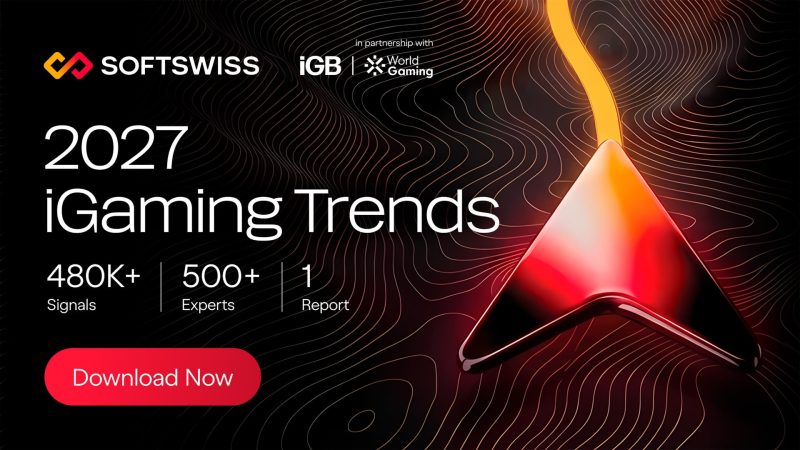
SOFTSWISS has dropped its 2027 iGaming Trends report, positioning it as the definitive industry compass for operators, platforms, and technology partners heading into the next calendar year. Three forces sit at the heart of it: artificial intelligence, regulatory evolution, and localization strategy.
For anyone building or playing on crypto casinos right now, this kind of structured industry intelligence matters more than ever. The landscape is shifting fast, and the platforms that survive will be the ones that read the signals early.
What SOFTSWISS Just Published
The 2027 iGaming Trends report is a co-production between SOFTSWISS and WorldGaming — formerly known as Clarion — bringing together two heavyweights with deep roots in both the B2B and events sides of the industry. That collaboration alone signals the report is aiming for something broader than a standard vendor whitepaper.
One standout structural addition this year is a dedicated chapter drawing on expertise from entirely outside the traditional iGaming bubble. Amazon Web Services is among the contributors lending perspective, which is a meaningful nod toward how cloud infrastructure, scalable AI deployment, and data architecture are becoming core competencies for any serious gaming operator — not just nice-to-haves.
The report also introduces a cross-sector comparison framework, allowing iGaming businesses to benchmark themselves against adjacent industries. That’s a relatively novel approach for this type of publication, and it suggests SOFTSWISS is trying to push operators to think beyond their immediate competitive set, as reported by Yogonet.
The three headline themes — AI integration, regulatory navigation, and market localization — aren’t surprising picks. They’re the exact pressure points that have dominated operator conversations throughout 2025 and into 2026. What matters is how SOFTSWISS frames the interplay between them.
The Bigger Picture
SOFTSWISS isn’t a newcomer to this kind of thought leadership. The company has steadily expanded its influence across casino platform software, sportsbook infrastructure, and affiliate tooling, making it one of the more credible voices when it comes to reading where the B2B market is heading.
The inclusion of AWS as an external contributor is worth dwelling on. It echoes a broader trend of hyperscalers embedding themselves into iGaming infrastructure conversations — something that’s been building quietly since major cloud providers started courting regulated gambling clients in earnest. When a company the size of Amazon shows up in an iGaming trends document, it’s a signal that the sector’s technology ambitions have outgrown purely specialist vendors.
Localization, meanwhile, has become a genuine competitive differentiator rather than an afterthought. Markets like Brazil, India, and parts of Southeast Asia are demanding product experiences that go well beyond translated interfaces. Currency support, payment method diversity, culturally relevant game themes, and locally appropriate bonus structures are all part of the equation. Crash games, in particular, have demonstrated strong cross-market appeal precisely because their mechanics are intuitive and their pace suits mobile-first audiences in emerging regions.
On the regulatory side, the pressure is only intensifying. Jurisdictions that were once considered permissive are tightening frameworks, and operators running on crypto-native models are watching compliance requirements evolve in real time. A structured report that maps these shifts across multiple markets gives compliance teams and product leads something concrete to work from.
What This Means for Crash Players and Crypto Casino Operators
If you’re a player on a crypto casino, the downstream effects of reports like this are real, even if they’re not immediately visible. Operators who engage seriously with AI-driven personalization will build better bonus engines, smarter responsible gambling tools, and more responsive customer support. That translates to a better experience at the table — or in this case, at the multiplier curve.
For crash game fans specifically, localization trends are directly relevant. Platforms expanding into new regions tend to broaden their crash game libraries to meet local tastes, which means more variety, more providers competing for shelf space, and ultimately more innovation in mechanics. Pigaboom by Zanzaro Games is a strong example of the kind of differentiated crash experience that benefits when operators are actively seeking fresh content to serve new markets.
Crypto casino operators, in particular, should pay attention to the regulatory chapter. The window for operating in grey zones is narrowing in several key jurisdictions, and platforms that get ahead of compliance requirements — rather than reacting to enforcement — will be the ones retaining player trust long-term.
Analyst Take
SOFTSWISS publishing this kind of report annually is smart positioning — it keeps the brand central to strategic conversations that happen at the C-suite level, well above the product and sales layer. The AWS collaboration is the most interesting editorial choice here. It suggests the report is trying to speak to a tech-forward audience that’s thinking about infrastructure and scalability, not just game mix and bonus compliance. Whether the full report delivers on that ambition is something operators will have to judge for themselves once they get into the detail. Still, as a signal of where the industry’s intellectual energy is being directed heading into 2027, this is a document worth tracking.