Betfair Italy Shutdown: Flutter Exits as Regulations Bite
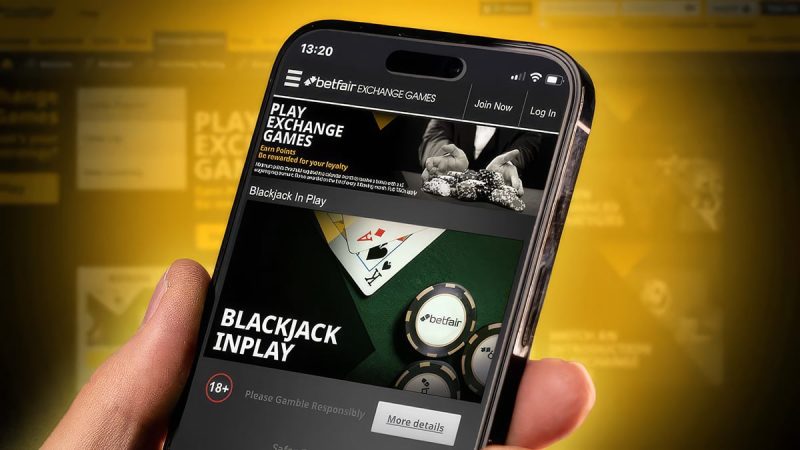
Flutter Entertainment is pulling Betfair’s Exchange, Sportsbook and Casino products out of Italy after sweeping regulatory reforms made the betting exchange model commercially impossible to sustain.
What You Need to Know Right Now
The short version: one of the world’s largest gambling conglomerates is walking away from a flagship brand in a major European market — not because Italy stopped mattering, but because Italy’s new rulebook made one specific business model unworkable. Here are the key takeaways:
- Flutter will discontinue Betfair Exchange, Sportsbook and Casino operations in Italy.
- New Italian gambling regulations — coming into force in 2025 — rendered the peer-to-peer exchange product commercially unviable.
- Flutter is not leaving Italy entirely; it retains a substantial footprint through Sisal, Snai and PokerStars.
- The move coincides with broader cost-reduction efforts and the ongoing integration of Flutter’s Italian acquisitions.
- Betfair’s Italian user base will need to migrate to alternative Flutter-owned brands or seek competitors.
Why Italy’s New Rules Killed the Exchange Model
Betting exchanges operate on a fundamentally different logic than traditional sportsbooks. Players bet against each other, not the house. Margins are thinner, compliance overhead is higher, and the model depends on liquidity — a critical mass of matched bets flowing through the platform at any given moment.
Italy’s updated regulatory framework disrupted that equation. As reported by Yogonet International, the changes left the exchange product with no viable commercial path forward. Exactly which provisions proved fatal — whether taxation structures, liquidity requirements or licensing conditions — hasn’t been spelled out in full detail, but the outcome is unambiguous: Betfair Exchange in Italy is done.
This isn’t the first time European regulators have squeezed exchange-style products. The model has faced persistent friction across multiple jurisdictions where authorities prefer the cleaner audit trail of house-banked games over peer-to-peer wagering. Flutter’s decision echoes the pressure Betfair faced in Germany years ago, where regulatory complexity similarly eroded the exchange’s competitive position.
Flutter’s Italy Play: Retreat on One Front, Hold on Three Others
Strip away the Betfair brand and Flutter’s Italian story still looks strong. The company holds Sisal, one of Italy’s oldest and most recognisable lottery and betting operators. It also controls Snaitech — rebranded as Snai — which commands serious retail and online market share. PokerStars rounds out the portfolio with a loyal poker player base.
That’s three distinct, well-established brands covering lottery, sports betting, retail, online casino and poker. Flutter didn’t stumble into Italy; it spent heavily to build this multi-brand architecture. Losing Betfair stings on a brand level, but the underlying Italian revenue engine remains intact.
Still, the closure signals something worth watching. Flutter is simultaneously exploring the shutdown of up to 100 Paddy Power retail shops in response to higher taxes and economic uncertainty — a separate but related sign that the group is stress-testing every market position against tightening cost and regulatory conditions. When a company of Flutter’s scale starts trimming, the industry pays attention.
What This Means for the Broader iGaming Landscape
For operators in the crash gambling and crypto casino space, this story carries a pointed lesson. Regulatory risk isn’t abstract — it can make a profitable product line structurally unworkable overnight, even for a company with Flutter’s resources and legal firepower.
Crypto-native platforms and crash game operators often cite regulatory flexibility as a core advantage. Decentralised models, provably fair mechanics and blockchain-based wagering are partly attractive because they sit outside the traditional exchange or sportsbook frameworks that regulators keep tightening. That advantage is real, but it isn’t permanent. Italy’s 2025 reforms show how quickly a jurisdiction can redraw the lines.
For players, the practical impact is straightforward: if you used Betfair’s Italian products, those options are going away. Flutter’s remaining Italian brands — Sisal, Snai and PokerStars — are the in-house alternatives. Anyone looking outside those ecosystems will be scanning a competitive market that just lost one of its more distinctive peer-to-peer offerings.
The broader takeaway for the industry is that scale doesn’t immunise you from regulatory disruption. Flutter is a global giant, and even it can’t engineer a workaround when a core product’s economics collapse under a new legal regime. Smaller operators and emerging platforms should be watching Italy’s 2025 framework closely — it may become a template other European markets reach for.