L&L Europe Hit With $1.2M UKGC Settlement Over Cashout Failures
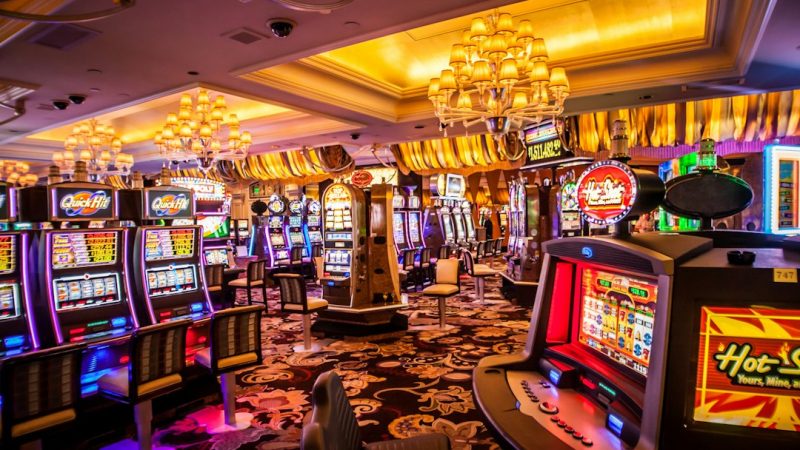
UK-licensed operator L&L Europe has agreed to hand over GBP 900,000 — roughly $1.2 million — to resolve a UK Gambling Commission investigation into unfair withdrawal practices and inadequate protections for vulnerable players.
Key takeaways:
- L&L Europe will pay a GBP 900,000 ($1.2M) regulatory settlement to the UKGC.
- The probe centred on withdrawal (cashout) practices and failures around vulnerable customer safeguards.
- L&L Europe operates seven distinct gambling brands under its umbrella.
- The company entered a sportsbook partnership with supplier Altenar back in 2022.
- This settlement adds to a growing list of UKGC enforcement actions targeting cashout and player protection shortfalls.
What the UKGC Found — and What It’s Going to Cost
The Commission’s investigation zeroed in on two problem areas: how L&L Europe handled player withdrawals and whether its processes adequately identified and protected at-risk customers. Both are areas the UKGC has been tightening scrutiny on across the industry for several years now.
Seven brands fell under the regulatory microscope. That’s a meaningful footprint — and it means the compliance failures weren’t isolated to a single product or market segment. The GBP 900,000 figure lands as a formal settlement, meaning L&L Europe avoids a contested licence review but still absorbs a seven-figure financial hit. As reported by GamblingNews.com, the operator had also partnered with sportsbook technology supplier Altenar in 2022, broadening its product offering around the same period the issues under investigation were developing.
Cashout problems — where players face delays, reversals, or opaque conditions when trying to withdraw winnings — sit at the very top of the UKGC’s enforcement priorities. The regulator has made no secret of the fact that slow or obstructed withdrawals are treated as a consumer harm issue, not merely an administrative one.
A Pattern the UKGC Is Clearly Not Tolerating
This settlement doesn’t exist in isolation. The UKGC levied a GBP 6.1 million fine against 888 Holdings back in 2022 over strikingly similar failings — vulnerable customer protections and withdrawal process breakdowns featured prominently in that case too. The regulator has been consistent: operators who can’t demonstrate clean, timely, and fair cashout processes will face enforcement, full stop.
What makes the L&L Europe case particularly instructive is the multi-brand scope. Running seven brands under one operator licence means a single compliance gap can cascade across an entire portfolio simultaneously. That’s a structural risk that smaller multi-brand operators often underestimate — and one the UKGC appears increasingly willing to pursue aggressively.
Still, GBP 900,000 is on the lower end of recent UKGC settlements, which have reached into the tens of millions for larger operators. Whether that reflects the scale of the harm identified or a cooperative approach from L&L Europe during the investigation isn’t yet clear from the public record.
Why Cashout Integrity Matters to Crypto Casino and Crash Game Players
For the crash gambling and crypto casino audience, this story hits close to home. Fast, frictionless withdrawals are one of the core selling points of crypto-native platforms — and one of the main reasons players migrate away from traditional licensed operators in the first place. When a UKGC-regulated operator gets sanctioned specifically for making it hard to cash out, it reinforces exactly why withdrawal speed and transparency are non-negotiable trust signals.
Crypto casinos operating under lighter-touch licensing frameworks carry their own risks, of course. But the expectation from players is the same regardless of jurisdiction: when you hit your multiplier and want out, the money moves. No reversals. No unexplained delays. No sudden bonus-condition hurdles appearing at the withdrawal screen.
That standard is baked into the DNA of crash game platforms, where the entire experience is built around real-time decisions and instant outcomes. Operators who can’t match that expectation on the cashout side — whether they’re UKGC-licensed or otherwise — tend to lose players fast. The L&L Europe case is a regulatory reminder that losing players isn’t the only consequence.
Notably, the vulnerable customer protection angle is also worth watching. Regulators across multiple jurisdictions are pushing for tighter real-time affordability checks and intervention triggers. Operators building crash game verticals into their platforms should treat this settlement as a signal that compliance infrastructure needs to scale alongside the product roadmap — not lag behind it.