Star Sydney Casino License Suspension Pushed to June 2027
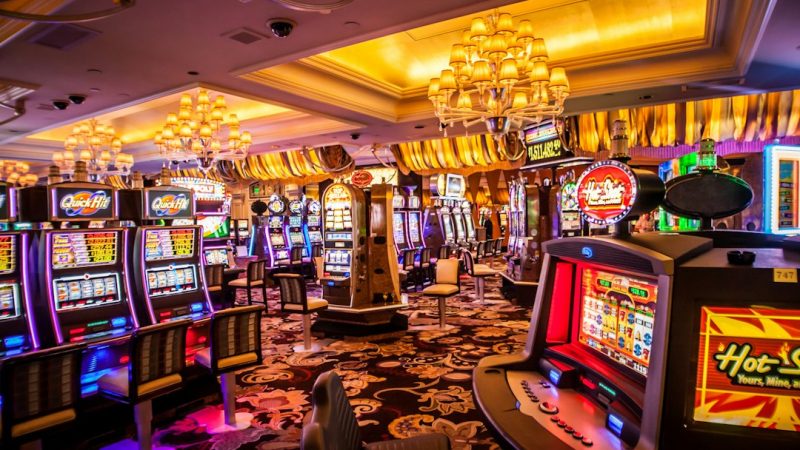
Star Entertainment’s flagship Sydney property will remain shuttered under regulatory order until at least June 2027, after New South Wales’ independent casino watchdog ruled the operator still hasn’t done enough to clean up its act. For a company already fighting for survival, the extension is another brutal blow.
This isn’t a minor administrative delay. Regulators are signaling loud and clear that the problems inside Star Sydney run deep — and that paperwork promises aren’t cutting it anymore.
What the NICC Just Did
The New South Wales Independent Casino Commission (NICC) has formally extended the suspension of Star Entertainment’s operating license for Star Sydney, pushing the earliest possible reinstatement date to June 2027. As reported by Gambling News, the regulator determined that Star has not yet demonstrated it has sufficiently resolved its failures around governance, leadership, and internal culture.
NICC chief commissioner Philip Crawford acknowledged that some progress has been made. Still, he made clear that meaningful questions remain about how far the remediation has actually gone — and whether the changes are structural or cosmetic.
The suspension also stays in place partly because of Star’s ongoing civil proceedings with AUSTRAC, Australia’s financial intelligence and anti-money laundering regulator. That case casts a long shadow. Until it resolves — or until Star can demonstrate credible, measurable reform — the NICC isn’t prepared to hand back the keys.
One important caveat: the suspension isn’t locked in until June 2027 unconditionally. The NICC left the door open for an earlier reinstatement if Star can demonstrate sufficient progress ahead of that deadline. That’s a slim thread, but it exists.
The Bigger Picture
To understand why this matters beyond Sydney’s casino strip, you have to go back to the Bell inquiry — the landmark investigation that originally found Star Entertainment unsuitable to hold a casino license. The inquiry exposed catastrophic failures: weak money laundering controls, dysfunctional governance, and a compliance culture that was essentially non-existent in practice. The findings were damning enough to trigger the initial suspension, and the NICC has clearly decided that the remediation timeline Star presented wasn’t credible enough to justify lifting it.
This pattern — regulator suspends, operator promises reform, regulator extends — has become a recurring feature of Australian casino regulation over the past several years. Crown Resorts faced a structurally similar situation across multiple jurisdictions before eventually being acquired by Blackstone in 2022, a deal that itself was partly contingent on demonstrating regulatory fitness. Star doesn’t have that kind of deep-pocketed acquirer waiting in the wings, which makes its position considerably more precarious.
The AUSTRAC angle is particularly significant. Civil proceedings from a financial crimes regulator aren’t resolved quickly, and they tend to generate ongoing negative headlines. Every court date is another reminder to the NICC that the underlying compliance failures haven’t been fully accounted for. Regulators in other jurisdictions — including those overseeing Star’s Queensland properties — will be watching how this plays out.
Notably, the broader global trend is moving in one direction: regulators are getting less patient, not more. Whether it’s the UK Gambling Commission tightening affordability checks or Australian state bodies extending suspensions, the era of operators self-certifying their way back to good standing appears to be ending.
What This Means for Crash Players
If you’re a crash game player or crypto casino user, Star Sydney’s troubles might feel geographically remote. But the regulatory dynamics at play here have direct relevance to where the industry is heading.
Land-based casino suspensions of this scale accelerate the migration of players toward online and crypto-native platforms. When a major physical venue goes dark for years at a time, habitual gamblers don’t simply stop — they find alternatives. Crypto casinos and crash-focused platforms have consistently been the beneficiaries of exactly this kind of displacement.
That said, the compliance pressure that’s squeezing Star Sydney is also creeping into the online space. Platforms operating under serious licensing frameworks are facing heightened scrutiny around AML controls and governance — the same categories that sank Star. For players, this means more KYC friction on regulated platforms. It’s one reason provably fair, blockchain-native crash games continue to attract users who prioritize transparency over brand recognition.
The Star situation is also a reminder that operator stability matters when choosing where to play. A casino under regulatory siege — whether online or land-based — creates real uncertainty around withdrawals, continuity, and data security.
Analyst Take
Star Entertainment is caught in a regulatory trap that’s largely of its own making. The NICC’s decision to extend the suspension isn’t punitive theater — it reflects a genuine lack of confidence in an operator that has repeatedly struggled to translate reform commitments into verifiable outcomes. With AUSTRAC proceedings still live and the June 2027 deadline now looming, Star faces a narrow window to demonstrate that its governance overhaul is real rather than rhetorical. The early-reinstatement carve-out is there, but given the history, it would take a remarkable turnaround for the NICC to exercise it. The more likely scenario is that Star Sydney remains sidelined well into next year — and the Australian casino landscape continues to reshape itself around that absence.