BetMGM & Blueprint Take Game of Thrones Slot Into Alberta
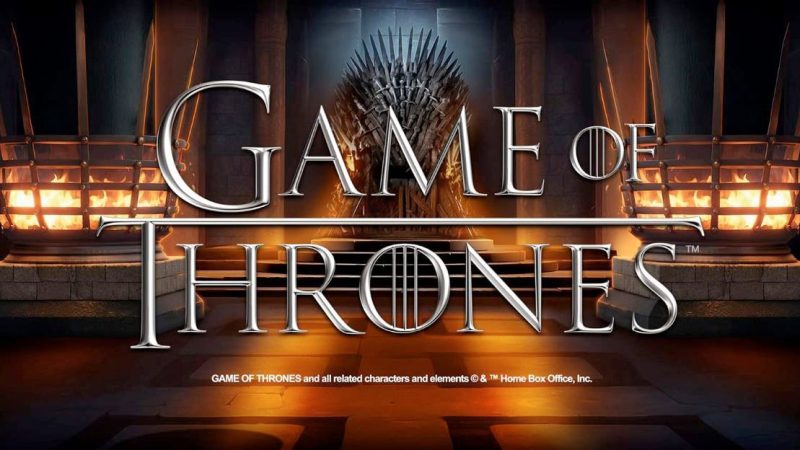
BetMGM Casino went live with Blueprint Gaming’s Game of Thrones slot in Alberta on August 5, 2026 — the title’s second Canadian market entry after a record-setting Ontario debut that turned heads across the industry. For a branded slot to pull those kinds of numbers in a regulated market, twice over, is not something operators take lightly.
The expansion matters because Alberta represents a meaningful growth frontier for licensed iGaming in Canada. With AGLC oversight tightening the field of eligible operators, any title clearing that bar carries real weight — commercially and reputationally.
What BetMGM and Blueprint Just Pulled Off
The Alberta rollout didn’t happen overnight. BetMGM and Blueprint Gaming first locked in an exclusive distribution agreement back in April, giving BetMGM sole rights to carry the title across its Canadian platforms. Both parties then secured the necessary iGaming operator licenses from the Alberta Gaming, Liquor and Cannabis Commission (AGLC) before the August 5 go-live date.
The Ontario launch set the stage. According to data cited by Eilers & Krejcik Gaming, Game of Thrones ranked fifth among Canada’s top-performing new online slots — and BetMGM internally clocked the debut as one of the strongest title launches on record for the platform. Those aren’t numbers operators throw around casually.
As reported by Yogonet, the Alberta launch follows that Ontario success directly, with BetMGM treating the province as the logical next step in a broader Canadian rollout strategy rather than a standalone event.
Blueprint Gaming, for its part, brings serious IP pedigree to the table. The studio has built a reputation for translating major entertainment franchises into high-retention slot mechanics — and the Game of Thrones brand, even years after the HBO series concluded, still commands enormous recognition across demographics that overlap heavily with online casino audiences.
The Bigger Picture: Branded Slots Are Winning the Regulated Market Race
This launch sits inside a broader trend that’s been accelerating since at least 2023: regulated markets are increasingly rewarding branded content over generic slot libraries. When a title carries a globally recognized IP, acquisition costs drop and session lengths tend to climb. Operators know this. So do the analytics firms tracking performance data.
Canada’s provincial iGaming structure makes this dynamic even sharper. Ontario launched its regulated online casino market in April 2022, and Alberta has been steadily building its own licensed ecosystem since. Each province requires separate licensing, separate compliance work, and — in BetMGM’s case — a separate strategic push. The fact that BetMGM moved on Alberta this quickly after Ontario suggests the performance data was compelling enough to justify the overhead.
Comparable momentum played out when major operators raced to place Pragmatic Play’s branded and megaways titles across newly regulated European jurisdictions in 2023 and 2024. The playbook is similar: secure exclusivity, prove the market in one jurisdiction, then expand fast before competitors can negotiate their own access.
BetMGM’s exclusive rights arrangement with Blueprint is the key structural detail here. No other Canadian operator can carry this specific title on their platform. That’s a meaningful competitive moat — at least for as long as the exclusivity window holds.
What This Means for Crash Players and Crypto Casino Audiences
On the surface, a branded video slot landing in Alberta doesn’t touch the crash gambling space directly. But the underlying dynamics are worth tracking. When a title like Game of Thrones pulls top-five performance rankings in a regulated market, it signals where player attention and operator investment are flowing — and that shapes the broader content environment crash platforms compete within.
Crypto casinos operating under Curaçao or similar frameworks don’t face the same licensing friction as BetMGM in Alberta. That’s a double-edged reality: faster content deployment, but also less leverage when negotiating exclusive IP deals with studios like Blueprint. The regulated market’s exclusivity model is one area where licensed operators currently hold a structural edge.
Still, crash game providers continue to close that engagement gap through mechanics rather than IP. Titles like Pigaboom by Zanzaro Games demonstrate that original, provably fair crash formats can generate comparable session depth without leaning on franchise recognition — a different path to the same retention goal.
For players in Alberta specifically, the arrival of a high-profile exclusive title on a regulated platform is a reminder that licensed operators are investing seriously in their content libraries. The days of regulated sites offering a thin, compliance-heavy game selection are fading fast.
Analyst Take
BetMGM’s move here is textbook market sequencing — prove the concept in Ontario, lock the exclusivity, then push into Alberta before the window closes. What’s notable is how quickly the Alberta launch followed the Ontario data. That turnaround suggests internal confidence in the numbers, not just a routine rollout. Blueprint Gaming, meanwhile, continues to demonstrate that its IP licensing strategy is more than a marketing play — it’s producing measurable performance outcomes in competitive regulated environments. Whether BetMGM extends this model to other Canadian provinces, or whether Blueprint’s exclusivity arrangement eventually opens up, will be worth watching through the rest of 2026.